Why a Condo Renovation Specialist Matters for Your Manhattan Project
Renovating a condo in Manhattan is not the same as remodeling a single-family home. The rules, the paperwork, and the physical constraints are different. Walls that look like they could move might hide risers, vents, or structural steel. A neighbor on the other side of a shared wall expects quiet by 6 p.m. And the co-op board or condo association has a say in everything from the type of subfloor you can install to the hours your crew can work. That is why a condo renovation specialist exists. This is a general contractor who knows the local building codes, the DOB permits required, and the unspoken expectations of condo associations and co-op boards.
What Makes Condo Renovations Different
In a townhouse, you own the entire structure. You can rip out a load-bearing wall as long as you engineer a proper beam. In a condo, you own only the interior space within the painted drywall. The building envelope, the structural frame, the common mechanicals - those belong to the condo association. Any work that touches them needs an alteration agreement. The board wants to see a floor plan showing exactly where you plan to cut, drill, or relocate. They want proof that the general contractor carries proper insurance and has experience with multifamily buildings. A condo renovation specialist already understands these requirements and can help you prepare a submission that gets approved on the first pass.
Another difference is the timeline. In a single-family home, you can schedule work at your own pace. In a condo, the building often restricts work hours. You might be allowed to run power tools only between 9 a.m. and 5 p.m. on weekdays. Some buildings ban noisy work entirely during certain months. An experienced contractor knows these rules and builds them into the schedule. They know that a kitchen renovation or bathroom remodel in a condo might take a few extra weeks simply because of when you can make noise.
Who Is a Condo Renovation Specialist
A condo renovation specialist is a general contractor who focuses on work inside multifamily buildings. They have in-house trades for plumbing, electrical, and carpentry rather than subcontracting every task to unknown crews. When the electrician and the plumber work for the same company, coordination is smoother. The electrician knows not to run a wire where the plumber needs to place a vent. The plumber knows where the subfloor can be cut for a new drain without weakening the structure. This kind of coordination is especially important in a full-home renovation, where you are updating multiple rooms at once.
The specialist also knows how to navigate the alteration agreement process. They have dealt with dozens of condo associations and co-op boards. They know which documents are needed: a detailed floor plan, a scope of work, a schedule, proof of insurance. They can help you avoid mistakes that delay the project, like forgetting to include a lighting design or assuming you can move an electrical panel without board approval. And they understand the importance of keeping the building staff happy. A clean job site, minimal noise, and prompt cleanup go a long way toward maintaining good relations with your neighbors.
Key Considerations for a Condo Renovation
Before you hire anyone, think about the scope. Are you doing a single bathroom remodel or a full-home renovation? The complexity changes. A bathroom remodel might involve new plumbing for a separate shower and tub, a new vanity, a new backsplash, and a new toilet. That is straightforward if you keep the fixtures in the same location. But if you want to move the toilet even six inches, you may need to open the subfloor and reroute the waste line. That triggers a deeper review from the board and the DOB permits department.
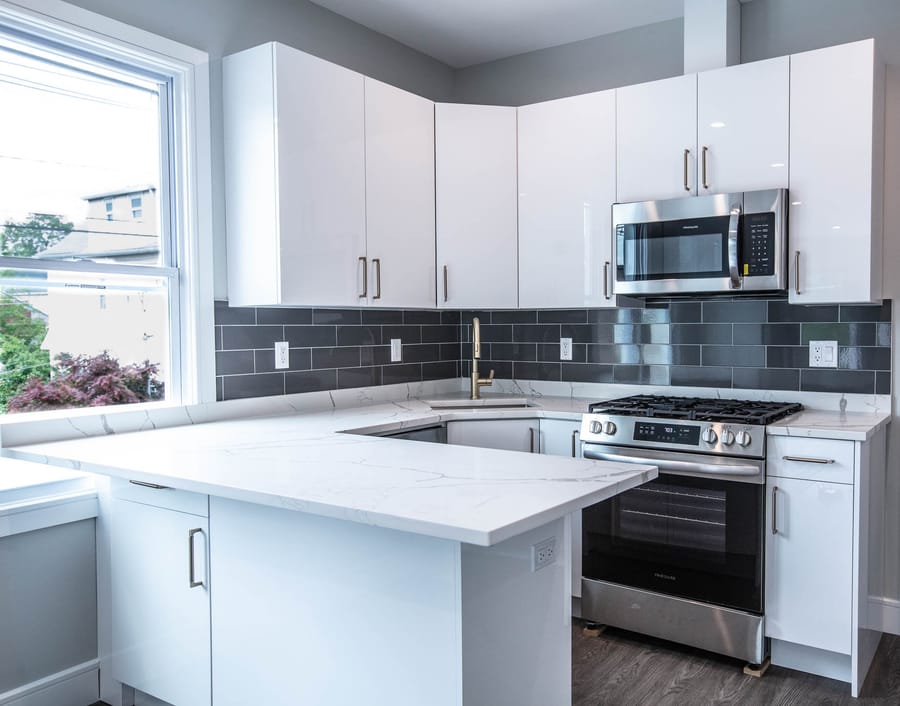
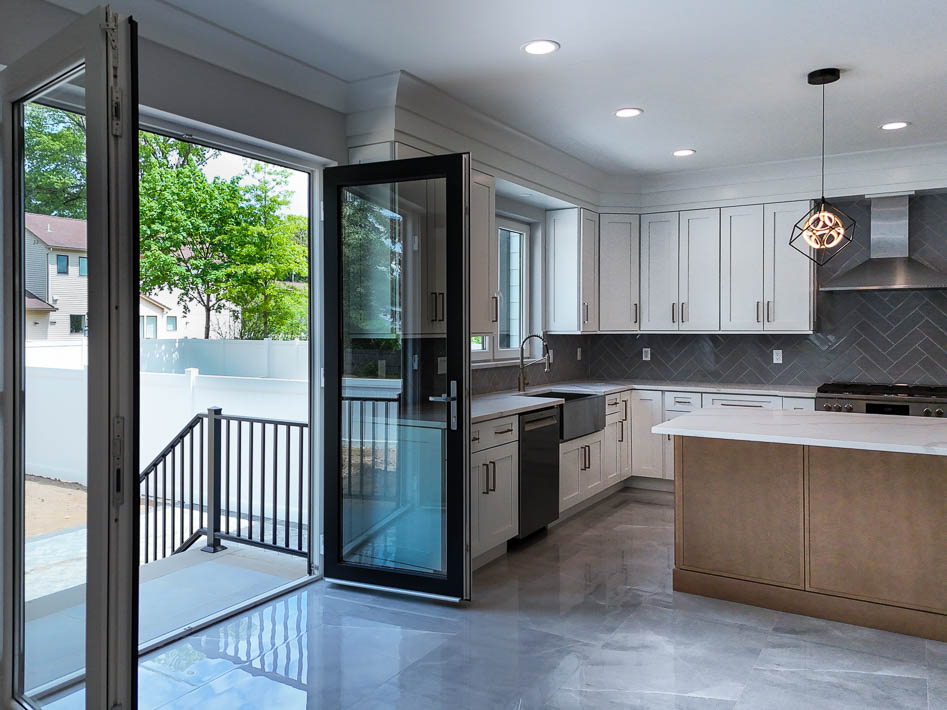
A kitchen renovation is even more involved. You are dealing with plumbing for the sink and possibly a dishwasher, electrical for appliances and lighting, and gas for the range. You may want custom cabinetry that requires precise measurements. You might choose a quartz countertop that needs a template and fabrication. Every decision affects the timeline. A condo renovation specialist will help you sequence the work so that the countertop is measured after the cabinets are installed, not before. They will also help you plan for temporary kitchen facilities so you are not eating takeout for two months.
The Role of DOB Permits and Alteration Agreements
In Manhattan, most renovation work requires a permit from the Department of Buildings. Even if the work is cosmetic, like painting or replacing cabinet doors, you usually do not need a permit. But once you touch plumbing, electrical, or structural elements, you do. The contractor pulls the permit, and the building's managing agent or condo association reviews it. They also require an alteration agreement, which is a contract between you and the building. It outlines the rules for the work, sets the deposit for potential damages, and specifies insurance requirements.
A general contractor who is not a condo renovation specialist might not realize that the alteration agreement needs to be signed before any work begins. They might show up with a crew and start demo, only to be stopped by the super. That costs time and money. A specialist will have the agreement ready, the permits in hand, and the insurance certificates filed with the building weeks before the first hammer swings.
What to Look for in a Contractor
If you are planning a kitchen renovation or a bathroom remodel in a Manhattan condo, look for a contractor who has done similar work in your building or in buildings with similar rules. Ask about their experience with co-op boards and condo associations. Find out whether they have in-house trades for plumbing and electrical. A contractor who subcontracts everything may have less control over scheduling and quality. You want someone who can coordinate the floor plan changes with the structural engineer, the custom cabinetry with the millworker, and the lighting design with the electrician.
Also ask about their experience with DOB permits. Some contractors try to avoid the permit process, which can lead to fines and stop-work orders. A condo renovation specialist will insist on proper permits because they know that a violation can halt your project and cause problems with your board. They will also understand the specific requirements for your condo association, such as whether you need to use union labor or whether the building has specific rules about waste disposal.
The Value of Planning Ahead
A full-home renovation in a Manhattan condo is a major undertaking. It involves coordinating multiple trades, managing a series of permits, and working within the building's rules. The best way to keep the project on track is to plan thoroughly before you start. Work with your contractor to create a detailed floor plan, select materials early, and finalize the lighting design before any walls are opened. Order custom cabinetry well in advance, because lead times can be long. Choose your quartz countertop and backsplash tile early so that the fabricator has time to produce them.
Think about the subfloor. In many older Manhattan condos, the subfloor is a layer of plywood over a concrete slab. If you are replacing tile with hardwood, you may need to level the subfloor or add a layer of underlayment. That adds height, which can affect transitions to adjacent rooms. A specialist will anticipate these issues and adjust the plan accordingly.
Final Thoughts
Hiring a condo renovation specialist is not just about getting the work done. It is about getting it done without legal trouble, without unnecessary delays, and without alienating your neighbors. The right contractor understands the unique environment of a multifamily building in Manhattan. They know how to work with the co-op board, how to secure DOB permits, and how to coordinate in-house trades for plumbing, electrical, and carpentry. They can turn a stressful renovation into a manageable process. And they will help you achieve the kitchen, bath, or full-home renovation you want, while respecting the constraints of your building.